
Why Some Dogs React to Chicken (and How to Prevent Food Allergies Long‑Term)
Chicken is one of the most common proteins dogs react to — not because it’s harmful, but because of repeated exposure over time.
Chicken is one of the most common ingredients in dog food — and also one of the most commonly blamed. Which can feel confusing, especially when chicken is often described as a “healthy” protein.
So let’s clear this up gently and honestly.
Chicken itself isn’t always the problem. The issue is usually how often it’s fed, how early it’s introduced, and how little variety exists over time.
At Goodboi, we believe food should support your dog’s body — not overwhelm it. This article explains why chicken reactions happen, how to tell the difference between a true allergy and a sensitivity, and how smart protein rotation may help prevent issues before they start.
Are Dogs Really Allergic to Chicken?
Dogs don’t randomly become allergic to foods. Reactions happen when the immune system begins to see a protein as a threat.
Chicken just happens to be:
- one of the most commonly fed proteins
- introduced very early in life
- fed daily, often for years
Over time, constant exposure can cause the immune system to lose tolerance and overreact.
Chicken isn’t uniquely problematic — it’s simply over‑represented.
In fact, the most common food allergens in dogs tend to reflect feeding trends:
- Chicken
- Beef
- Dairy
- Wheat
- Lamb (once considered “hypoallergenic” — until it became popular)
What Part of Chicken Causes the Reaction?
1. It’s About the Protein
Food allergies are reactions to specific proteins, not fats or carbohydrates.
In chicken, this usually involves:
- muscle proteins (like myosin and actin)
- serum albumin (a blood‑derived protein)
- trace immune proteins
In sensitive dogs, the immune system misidentifies these proteins as harmful — triggering itch, inflammation, or digestive upset.
2. Repetition Matters More Than the Food Itself
Most dogs don’t react the first time they eat chicken.
Reactions usually develop after months or years of repeated exposure, especially when chicken appears in:
- everyday kibble
- training treats
- chews and snacks
- toppers and flavourings
Even foods marketed as “beef” or “lamb” often still contain chicken fat or chicken meal.
3. Processing Can Play a Role
Highly processed foods change the structure of proteins.
For dogs with sensitive digestion or compromised gut health, altered proteins can be harder to tolerate — increasing the chance of a reaction.
This is why some dogs:
- react to cooked chicken but tolerate raw
- tolerate organs like liver but not muscle meat
- do well on gently prepared or hydrolysed proteins
Is Chicken Inflammatory for Dogs?
Chicken is not inherently inflammatory
Chicken is not a poor‑quality protein
Chicken is:
- highly digestible
- nutritionally valuable
- well tolerated by many dogs
Problems often arise when dietary diversity is missing.
What About Chicken Organs?
Some dogs that struggle with chicken muscle meat still tolerate:
- chicken liver
- chicken heart
Occasional organ exposure can help maintain familiarity without overwhelming the immune system.
Supporting Sensitive Dogs with Thoughtful Nutrition
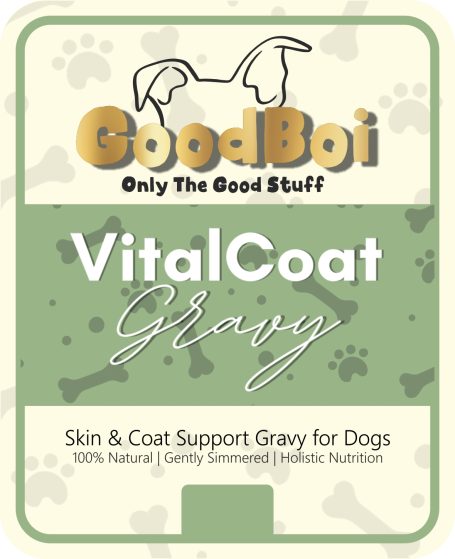
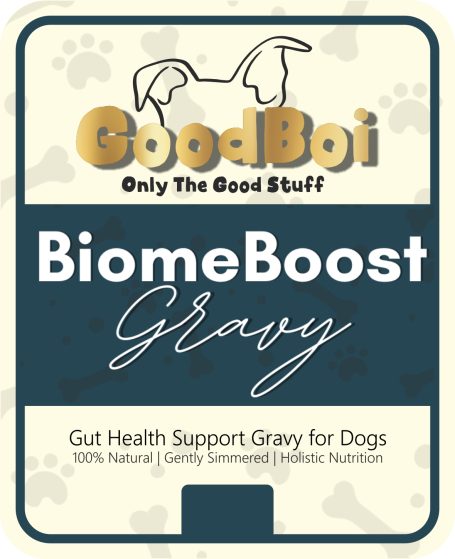
For dogs with sensitivities, the right support can make a real difference. VitalCoat helps nourish the skin from within, supporting dogs prone to inflammation or dryness. BiomeBoost focuses on gut balance — an essential foundation for tolerance and overall wellbeing — while VitalShield gently supports immune resilience for dogs that need a little extra support. Alongside this, our Gourmet Stews make protein rotation easy and enjoyable, with options including chicken, beef, pork, venison, ostrich, fish, mutton, and duck — helping reduce overexposure while keeping meals varied, nourishing, and digestible.
Every dog is different — and that matters to us.
If your dog has allergies or sensitivities, please let us know. We’ll work with you to find the most suitable options for your dog.
When Reactions Aren’t Allergies:
The Role of Gut Health
Another common (and often overlooked) cause of allergy‑like symptoms is impaired gut barrier function, sometimes referred to as “leaky gut.”
The gut lining acts as a selective filter — allowing nutrients through while keeping larger particles out. When this barrier is compromised, partially digested proteins can pass through more easily and trigger inflammation.
This can lead to symptoms that look like food allergies, including:
- itchy skin or paws
- ear inflammation
- digestive upset
- inconsistent reactions to foods that were previously tolerated
In these cases, the immune system isn’t necessarily reacting to chicken itself — it’s reacting because the gut is struggling to maintain tolerance.
Supporting gut health through:
- dietary variety
- appropriate protein rotation
- whole, gently prepared foods
- time and consistency
can often reduce reactivity without permanent elimination of entire protein groups.
Could It Be More Than the Protein?
Sometimes what looks like a “chicken allergy” isn’t actually a reaction to chicken protein at all.
In some dogs, reactions may be influenced by how the chicken was raised or processed, rather than the meat itself.
Possible contributors can include:
- residual hormones associated with intensive farming practices
- pesticide or environmental contaminants introduced through feed
- chemical residues that may remain in highly processed ingredients
Not every dog is affected — and many dogs tolerate chicken perfectly well. However, dogs with sensitive immune or digestive systems may be more reactive to cumulative exposure over time.
This can help explain why a dog may react to one chicken‑based food but tolerate another, or why some dogs do better on simpler, gently prepared recipes.
Chicken Allergy vs Chicken Sensitivity (A Simple Guide)
What is a true food allergy?
A true allergy is immune‑mediated.
You’ll often see:
- persistent itching (paws, ears, face)
- recurring ear infections
- hot spots or skin inflammation
- symptoms that don’t change with seasons
Key sign: symptoms only improve once the protein is completely removed.
What is a food sensitivity or intolerance?
A sensitivity is digestive or inflammatory, not immune‑based.
You may notice:
- softer stools or tummy upset
- gas or bloating
- occasional itchiness
- symptoms that vary with portion size
Key sign: dogs may tolerate small amounts or occasional exposure.
Why this distinction matters?
Not every reaction requires permanent avoidance.
- Allergies need strict elimination
- Sensitivities can often be managed with rotation, variety, and gut support
Many dogs labelled as “allergic” are actually just overexposed.
What To Look For:
Sensitivities
- Upset Tummies
- Gas/Bloating
- Soft Stools
- Occasional Itching
Allergies
- Recurring Ear Infections
- Hot Spots
- Skin Inflammation
- Persistent Itching
Protein Rotation
Supporting Long-Term Health
Why Protein Rotation Supports Long‑Term Health
One of the simplest ways to support gut and immune health is protein rotation.
Why rotation works
- prevents immune overload
- supports microbial diversity
- helps maintain tolerance
- reduces allergy risk over time
A Gentle Protein Rotation Example
Every dog is different, but a simple approach looks like this:
- 2–4 weeks: Chicken
- 2–4 weeks: Beef or Lamb
- 2–4 weeks: Duck or Venison
- 2–4 weeks: Fish or a novel protein
Then repeat or adjust based on your dog’s needs.
Why We Rotate Proteins at Goodboi
At Goodboi, our goal isn’t just to avoid reactions — it’s to build resilience.
That’s why we focus on:
- rotating proteins
- whole‑food ingredients
- gentle preparation
- supporting the gut first
Because a varied diet doesn’t just nourish the body — it teaches the immune system to stay calm.
GoodBoi | Functional Meal Enhancers
Nutrition That Supports Sensitive Dogs
When a dog shows signs of sensitivity — whether through their skin, digestion, or immune system — targeted nutritional support can make a meaningful difference. At Goodboi, we focus on supporting the body first, rather than simply removing ingredients.
1) Skin & Coat Support
VitalCoat is designed to support dogs experiencing skin inflammation, dryness, or itchiness. By nourishing the skin from within, it helps strengthen the skin barrier — an important line of defence for dogs prone to sensitivities.
2) Gut Health & Balance
Because so many reactions begin in the gut, BiomeBoost focuses on restoring digestive balance and supporting a healthy microbiome. A well-supported gut is better able to maintain tolerance and reduce reactions that can look like food allergies.
3) Immune System Resilience
For dogs needing additional immune support, VitalShield helps strengthen overall resilience. Supporting the immune system gently and consistently can reduce overreactions and support long-term wellbeing.
4) Protein Variety Made Simple
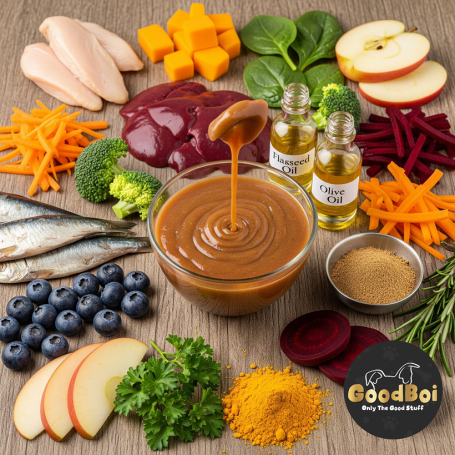
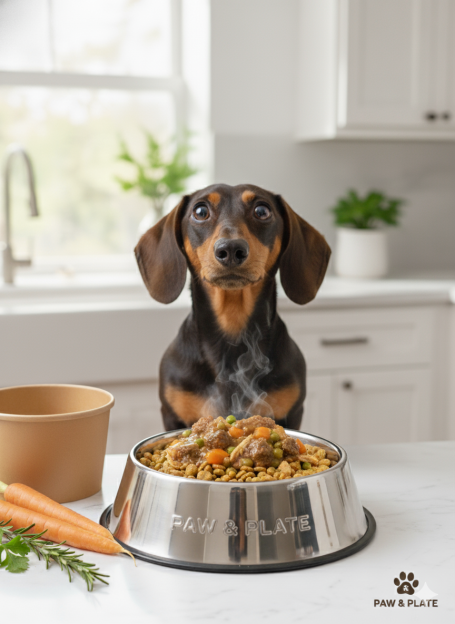
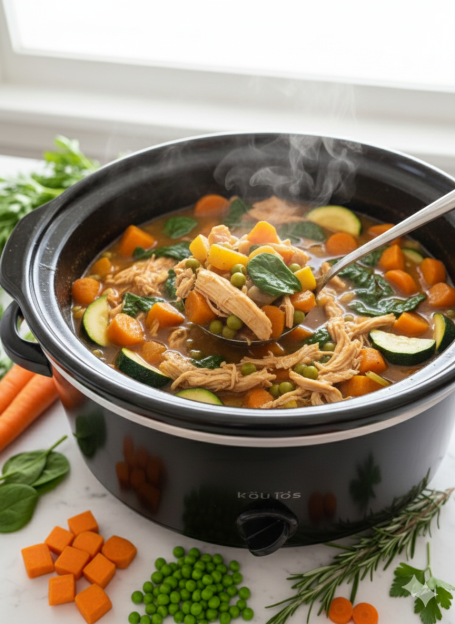
One of the most effective ways to reduce food sensitivities over time is protein rotation. Our Gourmet Stews — available in chicken, beef, pork, venison, ostrich, fish, mutton, and duck — make it easy to introduce variety without compromising on quality or digestibility. Rotating proteins helps reduce overexposure while keeping meals nourishing, satisfying, and exciting.
The Takeaway
Chicken isn’t always the enemy.
By rotating proteins and supporting gut health, most dogs can enjoy a broader diet comfortably and safely — now and long-term.
This article is for educational purposes only. If you’re unsure whether your dog has a true allergy or a sensitivity, a structured elimination diet with professional guidance from a canine nutritionist or consultation with a registered veterinarian is always recommended.